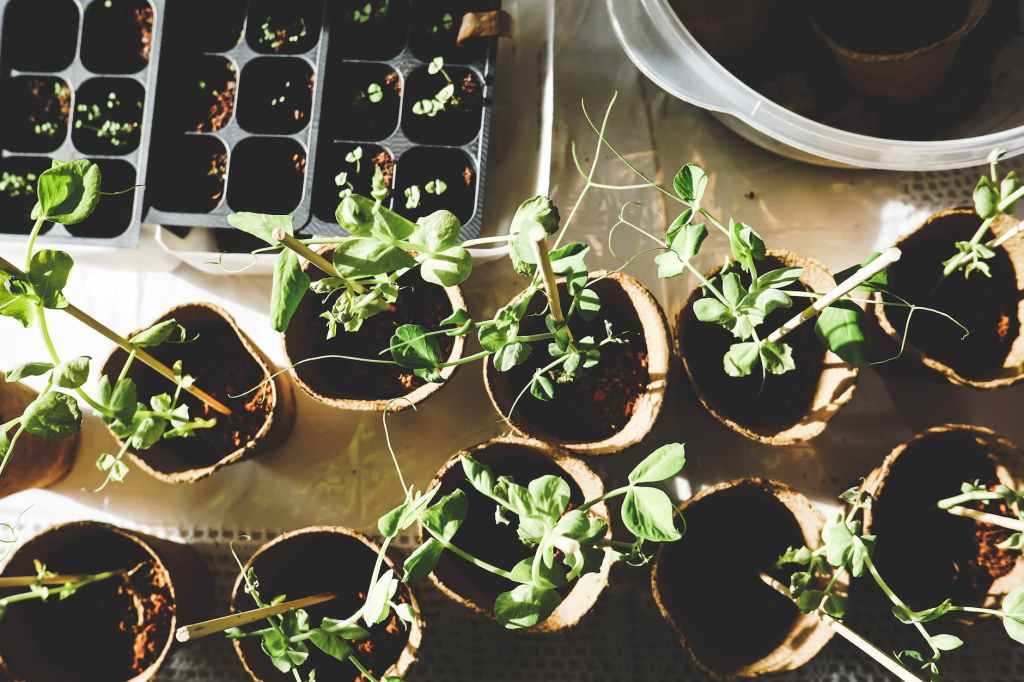
Last weekend, before the NC sun rose too high in the sky, I headed outside for a little work in the garden. Admittedly, it’s been neglected this hot, dry summer and is a wee both over grown—truthfully, it’s borderline unruly and difficult to manage within my one person lawn crew.
As I raked up the clippings for the composter, I was reminder of how much the forsythia had grown since I first planted them in the hard clay. They seem to like where they are; they are maturing, growing, and spreading out into new spaces. I love them—they are the first drops of sunshine each spring and give the birds and rabbits a place to play and hide all summer. However, they are not independent; they still need my care and attention.

Tending my garden at home reminded me of tending to the educator preparation programs I and so many colleagues lead in institutions of higher education. Together, we are responsible for an amazing garden of programs, serving future educators, public school partners, and educational researchers all at the same time. This garden requires tending. Every. Single. Day.
When entrepreneurial educators develop and launch new programs to meet the ever evolving needs of P-12 or higher education, their ability to tend to those programs can become strained if not well supported with people, time and financial resources. In order to ensure the continuing quality and rigor of the program and satisfactory completer outcomes that meet employer needs, educator preparation programs, EPPs, must allocate resources to support them.
EPPs may approach tending to this garden differently based on their context. Institutional mission, funding, faculty structures will all impact how they maintain the garden. Some may place program leadership with tenured faculty who guide the curriculum; others will engage clinical faculty or position an administrator in this role.
Either way, there are some considerations all EPPs must address to ensure their garden of educational entrepreneurship remain fruitful. Please forgive the mixing of metaphors
1. Tend the garden regularly. Or, build a culture of inquiry.
This is simpler said that done. Attending to continuous improvement, continuously, requires an intentionality that must be built into the program’s culture and implementation. It’s easy to ignore a garden that is producing well, especially when everyone appears pleased. Programs should always be curious about their programs, not complacent–even the best programs can be better.
2. Check your produce. Or, Assess the marketplace and the outcomes.
Is your produce selling at market or, are your enrollments falling? Are your customers coming back to you or, are they going elsewhere for the next level program? Programs must invest in tracking the outcomes of their program completers, with the graduates themselves and with those who hire them. But it’s more than tracking. This, too, must be intentional–seeking feedback from alumni, district partnerships, and others regularly and acting on that feedback is how your garden continues to produce at a high level.
3. Sharpen your tools. Or, Invest in and empower program leadership.
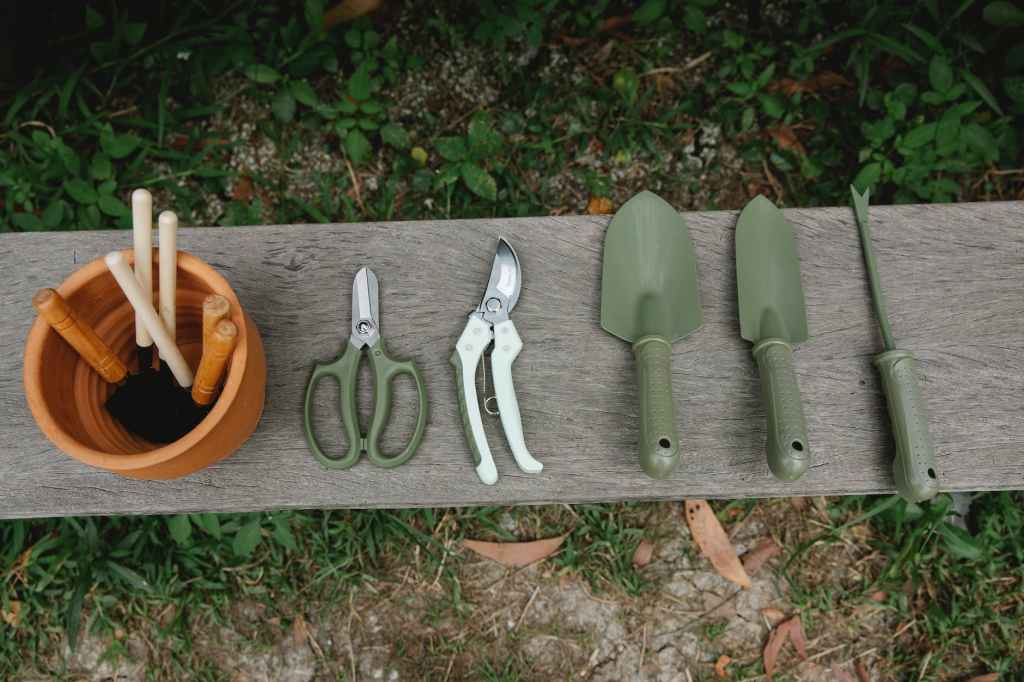
Starting and maintaining the garden are two totally different tasks and will likely require totally different skill sets from program leadership. Leaders who help position faculty or administrators in these roles in ways that leverage their strengths for program creation, development, implementation, and assessment. Helping them sharpen their tools will improve the outcomes from the program.
4. Plan for new garden beds. Or, Make space for future innovations.
I’ve learned that those who enjoy gardening are always thinking about next season. In educator preparation, the next season could bring changes, big or small. It might be a few tweaks to an assignment or it might be the next program to be developed to address an emergent need. Those same innovators who started your last successful program might now need space away from that project to engage in creating the next one. Leaders should recognize their value is in the creating of new programs and not solely in operating them.
If you made it this far, thank you for allow me to play out this metaphor. In a future post I will share how I’ve worked with educator preparation programs that do this gardening well and what we can learn from them.
dbl.

 CraftyProfs